
Ohene Consult / Where you can study / United States
🇺🇸 Deepest funding poolUnited States
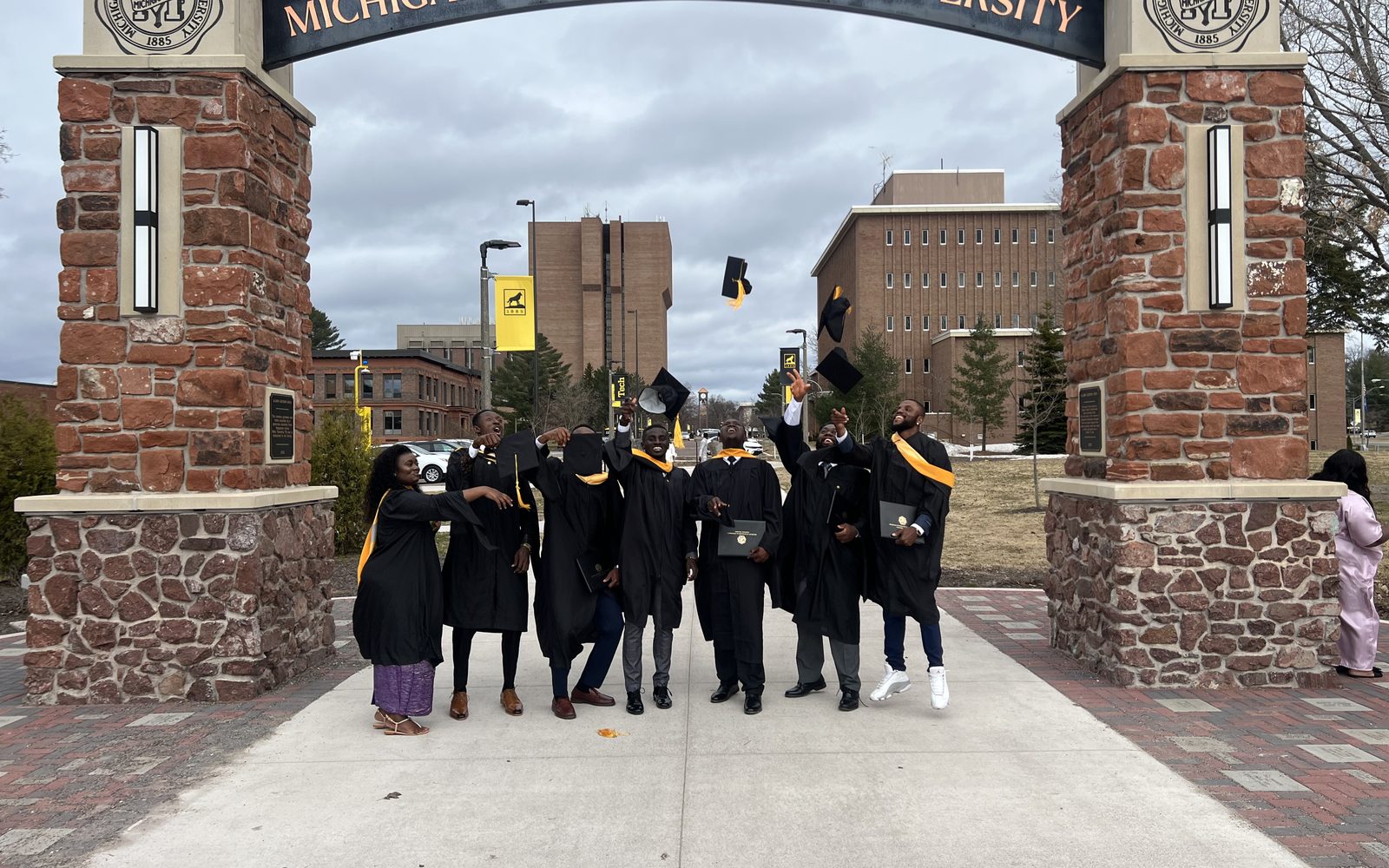
If you are targeting a postgraduate degree and you cannot self-fund, the United States is almost always the first place to look. Not because it is cheap (it is not), but because it is the only system at scale where a department will pay you to be there.
Why it works
- Graduate assistantships. A funded GA, TA or RA post waives tuition entirely and pays a monthly stipend for teaching or research work. Most Ghanaian applicants never learn this.
- Funded PhDs are the norm. In most STEM and many social science fields, an offer without funding signals the department is not serious about you. Good programmes fund who they admit.
- Scale. Thousands of institutions. Below the famous names sit hundreds of well-funded state universities with strong research output and far kinder admission odds.
- Application fee waivers exist and are routinely granted to international applicants who ask correctly. Few people ask.
Where it hurts
- Undergraduate funding is brutal. Full need-met aid for international freshmen exists at maybe a few dozen institutions, and competition is global. Be realistic.
- Unfunded masters offers are a trap. An admission letter with no funding attached is an invoice, not an achievement. Many Ghanaian families have sold property over one.
- Application costs add up. Fees, tests, credential evaluation and transcripts across eight to twelve schools is a real outlay before a single decision arrives.
- The visa interview is a genuine hurdle and turns substantially on whether your funding and your intent hold together as one coherent story.
Money
What funding actually looks like
Figures, thresholds and eligibility rules change between intakes. Treat this as orientation, not as the final word. We verify current requirements against the official source for your specific case.
Requirements
What you need to have ready
Missing one of these rarely ends an application. Discovering it in the last fortnight usually does.
- Bachelor's degree with a strong class. Second Class Upper opens most doors; First Class opens funded ones
- Credential evaluation (WES or ECE) where the university requires it
- English test: TOEFL, IELTS or Duolingo, depending on what the department accepts
- GRE only where the programme still requires it; many have dropped it permanently
- Three recommenders who can speak to your academic or research capability
- A statement of purpose that names specific faculty and specific research, not general ambition
Timeline
The cycle, working backwards from an August start
Mar – Jun
Profile review, shortlist built, tests booked. Credential evaluation started early because it is slow.
Jul – Sep
SOP and academic CV built. Recommenders briefed. For PhD applicants, faculty outreach begins now.
Oct – Nov
Applications assembled. Fee waiver requests submitted. Test scores sent.
Dec – Feb
Deadlines fall. Most funded programmes close between 1 December and 15 January. Miss these and you are applying for unfunded seats.
Feb – Apr
Interviews, offers and funding letters. Comparison and negotiation.
Apr – Jul
I-20 issued, SEVIS fee paid, DS-160 filed, visa interview at the US Embassy in Accra.
Avoid these
What goes wrong
Every one of these is something we have watched happen to a real applicant. Most are cheap to prevent and expensive to fix.
- Applying only to famous universities, then having nothing to accept.
- Accepting an unfunded masters offer because it is the only one that came.
- A statement of purpose that is a life story instead of a research argument.
- Emailing fifty professors the same message. They can all tell.
- Leaving credential evaluation until December.
- Treating the visa interview as a formality. Your funding, your field and your ties must cohere.
Compare
Other destinations worth weighing.

Where this page stops
Everything above is true for everyone. None of it is about you.
You now know how the money and the calendar work here. What a web page cannot tell you is which departments would fund someone with your class, in your field, this cycle, or how to word the message that gets a reply rather than silence.
That is the part we do, and it is the part that decides the outcome.
What the first conversation gives you
- Whether this region is genuinely right for you, or whether another one fits your profile better
- Which programmes here are realistic against your actual results, banded by odds
- The specific funding instrument to aim at, and what it will demand of you
- A dated plan for this cycle, or an honest answer that you should target the next one
Admission + partial scholarship
“He helped me find a partial scholarship I did not know existed. Before that I was completely lost. Now I am studying at a US university.”
A graduate student in Texas, from Ghana
Start here
Tell us where you are. We will tell you what is possible.
Bring your transcript, your field and your real budget. We will give you a straight answer about what this cycle can look like for you.