
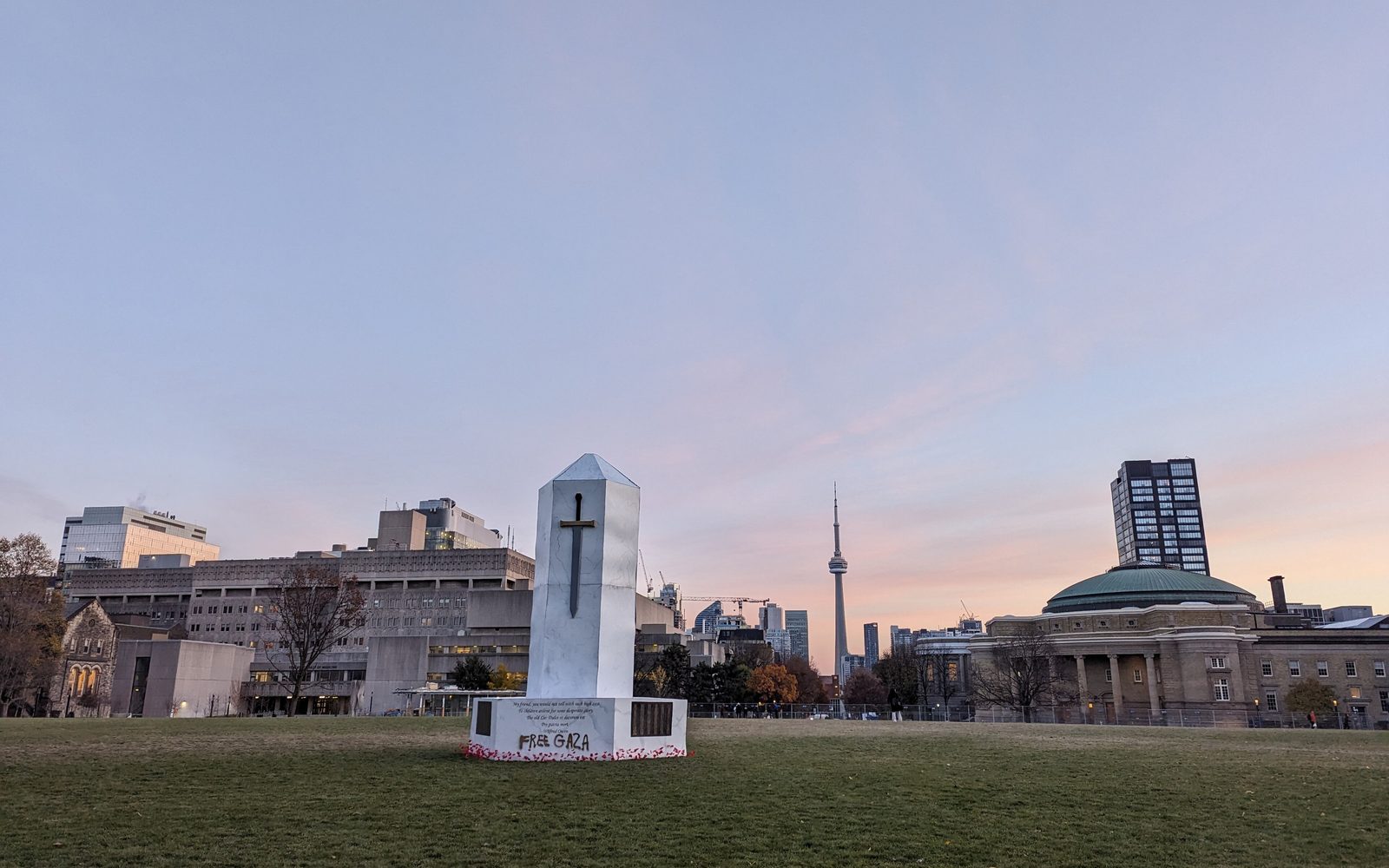
Ohene Consult / Where you can study / Canada
🇨🇦 Clearest route to residencyCanada
Canada's appeal was never the funding. It is that the road keeps going: study, then a post-graduation work permit, then, for many, permanent residence. That road is narrower than it was three years ago, and anyone telling you otherwise has not been reading the announcements.
Why it works
- Post-Graduation Work Permit. Eligible graduates can work in Canada after finishing, with duration tied to programme length. That work experience is what feeds the permanent residence application.
- A legible immigration system. Express Entry and the Canadian Experience Class are published, points-based and possible to plan against, unlike a lottery.
- You may work while studying, within the hours permitted by your permit conditions, which materially changes the affordability maths.
- Spousal options. Depending on your programme and level, your spouse may be eligible for an open work permit. Rules here have narrowed, so check current eligibility carefully.
Where it hurts
- The rules have tightened repeatedly. Study permit caps, Provincial Attestation Letters, the end of the Student Direct Stream, and PGWP field-of-study restrictions all landed in quick succession.
- PGWP is no longer automatic. For some programmes and institutions, graduates are not eligible at all. Confirm eligibility for your exact programme before you pay a deposit.
- Funding is thinner than the US. Assistantships exist but are smaller and less universal. Masters funding in particular is limited.
- Proof-of-funds thresholds rose steeply and are indexed. Budget against the current published figure, not last year's.
Money
Funding and cost reality
Figures, thresholds and eligibility rules change between intakes. Treat this as orientation, not as the final word. We verify current requirements against the official source for your specific case.
Requirements
What you need to have ready
Missing one of these rarely ends an application. Discovering it in the last fortnight usually does.
- A letter of acceptance from a Designated Learning Institution
- A Provincial Attestation Letter where your case requires one
- Proof of funds at the current published threshold, properly sourced and documented
- Language test: IELTS is the most widely accepted
- Educational Credential Assessment where required
- A study plan letter that explains, credibly, why this programme and why Canada
Timeline
The cycle, working backwards from a September start
Sep – Nov
Programme research with PGWP eligibility confirmed in writing for each option. IELTS booked.
Dec – Feb
Applications submitted. Many Canadian deadlines fall between January and March.
Feb – Apr
Offers arrive. Deposit paid, letter of acceptance issued.
Apr – Jun
Attestation letter secured where needed. Funds documented and seasoned. Study permit application filed.
Jun – Aug
Biometrics, medical, permit decision. Processing times vary, so apply early.
Aug – Sep
Travel and arrival. Port-of-entry confirmation of your permit.
Avoid these
What goes wrong
Every one of these is something we have watched happen to a real applicant. Most are cheap to prevent and expensive to fix.
- Enrolling at a private college whose graduates are not PGWP-eligible.
- Relying on advice about SDS, which no longer exists.
- Proof of funds that appears in the account three days before filing. It reads exactly as it looks.
- A study plan that does not explain why you are leaving a career in Ghana.
- Assuming a spouse's open work permit is guaranteed. Increasingly it is not.
Compare
Other destinations worth weighing.

Where this page stops
Everything above is true for everyone. None of it is about you.
You now know how the money and the calendar work here. What a web page cannot tell you is which departments would fund someone with your class, in your field, this cycle, or how to word the message that gets a reply rather than silence.
That is the part we do, and it is the part that decides the outcome.
What the first conversation gives you
- Whether this region is genuinely right for you, or whether another one fits your profile better
- Which programmes here are realistic against your actual results, banded by odds
- The specific funding instrument to aim at, and what it will demand of you
- A dated plan for this cycle, or an honest answer that you should target the next one
Admission + partial scholarship
“He helped me find a partial scholarship I did not know existed. Before that I was completely lost. Now I am studying at a US university.”
A graduate student in Texas, from Ghana
Start here
Tell us where you are. We will tell you what is possible.
Bring your transcript, your field and your real budget. We will give you a straight answer about what this cycle can look like for you.